Retreats
Wellness Retreats by the Sea: How to Tell a Genuine Coastal Retreat from a Gimmick
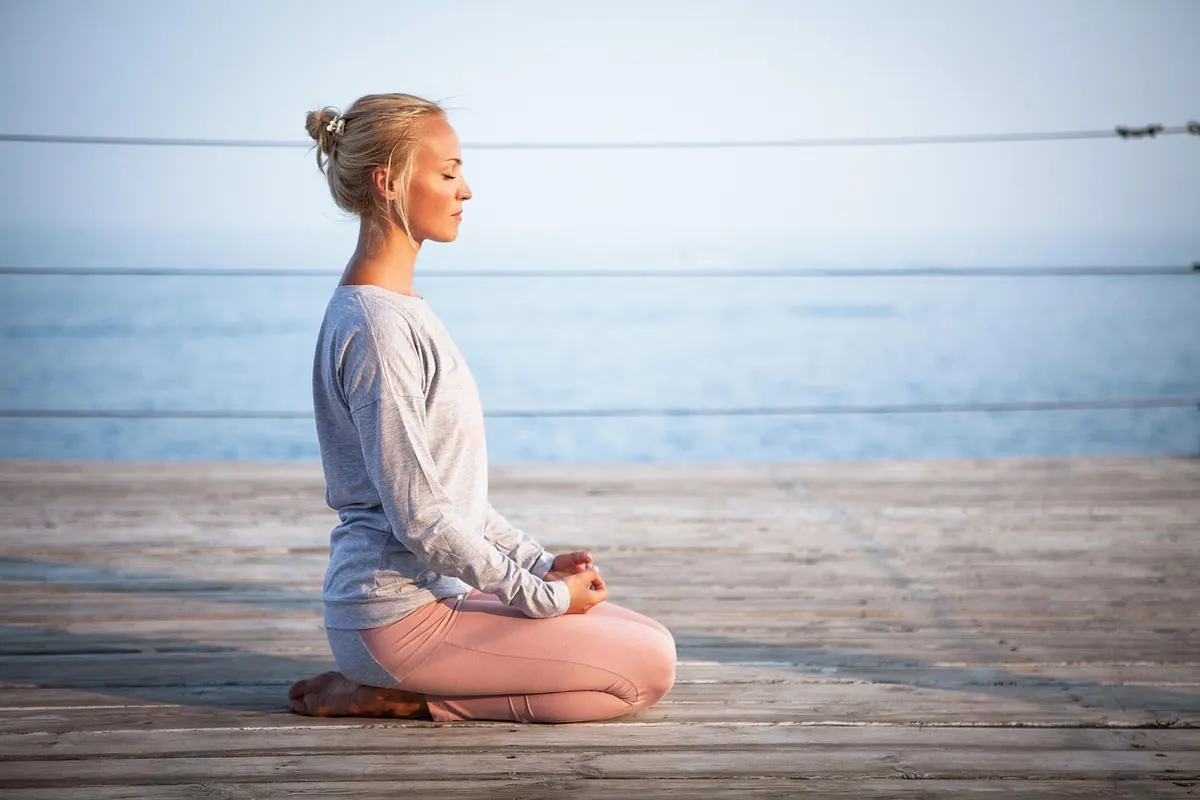
A clifftop yoga deck at sunrise photographs beautifully. So does a bowl of something green on a weathered table, with the tide just out of focus behind it. What a photograph cannot tell you is whether the teacher knows what they are doing, whether the day has room to breathe, or whether that sea view is in fact a grey stripe beyond a car park. Coastal wellness retreats have multiplied quickly, and a fair number of them are beautifully styled and thinly run. The good ones tend to be calmer, more specific, and easier to question. Here is what to look at.
What the coast actually adds
The sea is not decoration. It changes the shape of a day: light that shifts hour by hour, weather that cancels plans, cold water that demands respect, tides that set the timetable whether you like it or not.
A retreat that genuinely uses its setting will show you how. Expect guided coastal walks rather than a stroll to the village, sea swimming with a named person watching from the shore, sessions moved indoors when the wind turns, and a plan for the week it rains for three days. If the programme could be run unchanged in a hotel basement in any city, the coast is a backdrop rather than a feature.
Start with the people, not the view
Ask who will actually be teaching you, then check that name. For yoga, a 200-hour teacher training is a common baseline; what matters more is how long they have been teaching, how big their classes normally are, and whether they teach the style advertised. For massage, acupuncture, counselling or nutrition advice, look for registration with a recognised professional body and current insurance. In the UK, that usually means a practitioner who can name their registering body without hesitating.
Group size deserves equal weight. A retreat promising an intimate week that turns out to be thirty people in a hall is a different holiday from the one you booked. Ask for a number, not an adjective.
Be wary, too, of anyone offering to diagnose, cure or treat a medical condition. A coastal retreat can support rest, movement and better habits. It is not a substitute for medical care.
Read the timetable properly
Request the actual schedule from a recent week, not the sample page on the website. Then read it as a day rather than a list of sessions.
Green flags
- Meals with enough time to eat them, and at least one long unscheduled afternoon.
- A maximum group size stated in writing.
- Free time that is genuinely free, not quietly filled with paid extras.
- One-to-one sessions available, with the price listed openly.
Amber flags
- A day that starts at six and ends at nine with no gaps.
- "Masterclasses" run by someone whose qualifications are never stated.
- Evening talks that turn into pitches for supplements, courses or a follow-up retreat.
- A schedule that never mentions weather, tides, or what happens if a session is cancelled.
Food: ask to see a real menu
"Nourishing, plant-based cuisine" can mean almost anything. Ask for a sample menu from the week just gone, and ask how many meals are included. Look for cooking that sounds like food: soups, grains, fish, vegetables, fruit, proper breakfasts. Look, too, at how dietary needs are handled. A retreat that asks about allergies and intolerances at booking, and tells you what it will do about them, is organised. One that promises to cater for anything without asking a single question is not.
Alcohol is worth clarifying. Some coastal retreats are entirely dry; others serve wine with dinner. Neither is wrong, but being surprised by either is avoidable.
If you are managing a health condition, are pregnant, or have a history of disordered eating, speak to your GP or a registered dietitian before booking a week built around fasting, cleansing or heavy daily activity. A well-run retreat will welcome that conversation, and will already have asked about it on the booking form.
Location: view, access, and the walk back
"Sea view" can mean a panorama from every window, or a sliver of blue if you lean over the balcony rail. Ask for the address and look at it on a map. How far is the beach on foot? Is the path lit? What sits between you and the water — a road, a railway line, a holiday park, a working harbour? A harbour is charming by day and noisy at five in the morning.
Then match the place to the season. A north-facing cliff in February is a different proposition from a sheltered bay in June. Check the tide times for your week, and check whether the sea is genuinely part of the programme. Cold-water swimming is wonderful and also needs supervision, a planned entry and exit point, and someone who knows the currents.
Questions worth asking before you pay
- Who is teaching, and what are their qualifications?
- What is the maximum group size?
- Can I see the timetable and a sample menu from the last retreat?
- What is the cancellation policy, and what happens if the retreat is cancelled rather than me?
- Are transfers, treatments and excursions included, or charged on top?
- What happens if I arrive injured, unwell or simply exhausted?
- How many guests usually come on their own?
If the answers are vague, slow or defensive, treat that as your answer. Vague is not the same as relaxed.
Booking with clear eyes
Get the important details in writing before you transfer money: the timetable, the group size, what is included, and the refund terms. Pay in a way that offers you some protection where you can, and take out travel insurance that covers whatever you plan to do, including swimming, hiking or cycling. If you are travelling alone, ask how many other solo guests typically attend; a house full of couples is a different experience from one built for people arriving on their own.
Finally, be honest about what you actually want. A week of silence and early nights, a sociable house with long walks and shared dinners, or a structured programme with treatments booked in advance — these are three different holidays. The right coastal retreat is the one whose ordinary Tuesday sounds appealing. Check that first, and the sea view becomes a bonus rather than the whole argument.
Photo: Srresume / Pixabay
Related Articles