Retreats
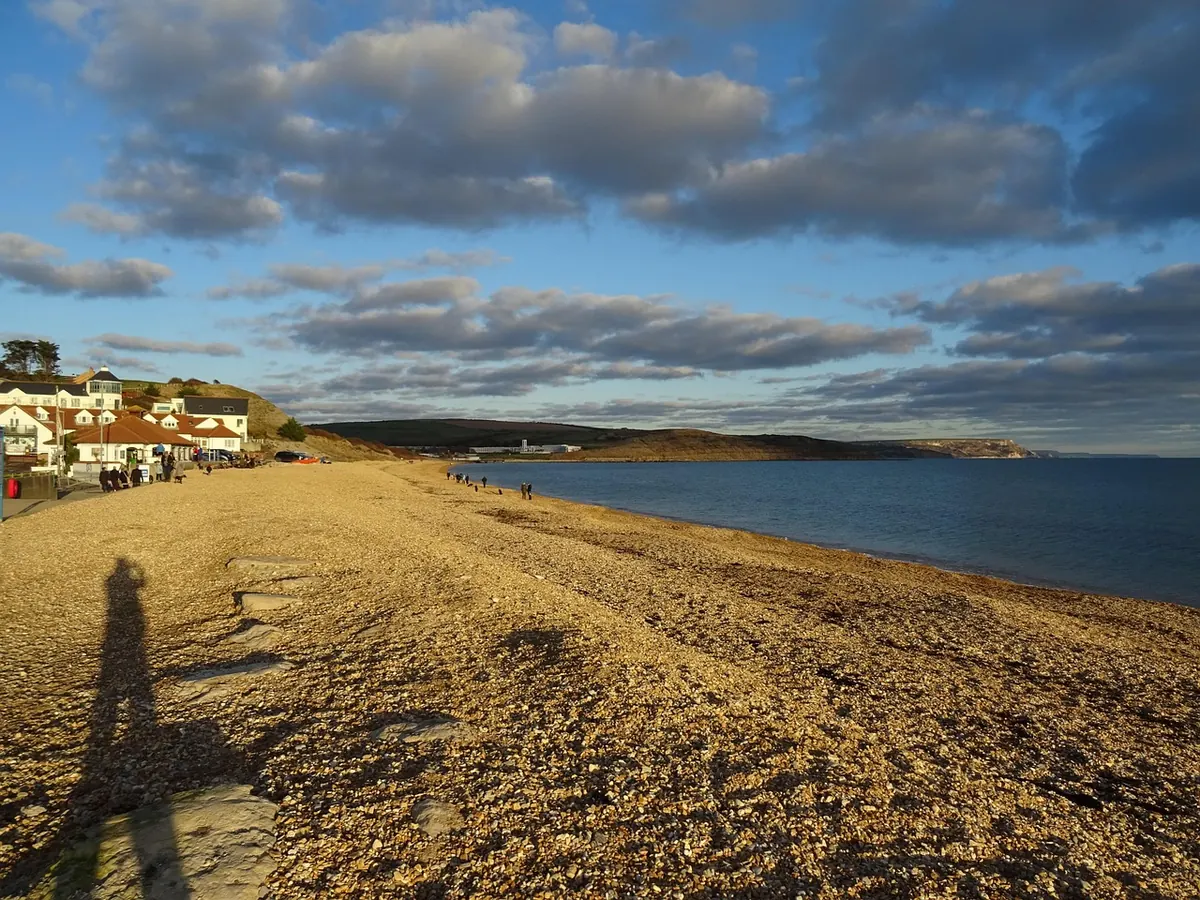
Coastal Retreats with Sea Views: A Comparison of Cornwall, Pembrokeshire and Northumberland
Three coastlines, three very different holidays. Cornwall hands you choice: coves, harbours, galleries, restaurants and a coast path that seems to go on forever. Pembrokeshire offers wildness with a Welsh accent — cliffs, empty beaches and a compact peninsula you can genuinely get to know in a week. Northumberland gives you scale: enormous sands, castles on the skyline and a horizon that feels borrowed from somewhere much larger than England. All three can put the sea in your window. The trick is working out which one suits the trip you actually want.
How the three coastlines differ
Cornwall sits at the far south-west tip of England, which is both its charm and its logistical catch. The sea is on two sides — the gentler south coast with its wooded creeks, and the surf-heavy north coast — so you can often pick your weather by driving for forty minutes. Pembrokeshire is a peninsula in south-west Wales, wrapped by the UK's only national park designated chiefly for its coastline. Northumberland runs along the north-east border with Scotland, a long, low, wind-scoured shore of dunes and headlands.
Each has a long-distance path running through it, and the difference between those paths tells you a lot. Cornwall's section of the South West Coast Path climbs constantly; Pembrokeshire's Coast Path is gentler in places but still demanding; the Northumberland coast is flatter and faster underfoot, with big skies instead of tight valleys. If you're planning a walking retreat, that distinction matters more than any photograph.
Scenery: three kinds of drama
Cornwall
Granite cliffs, hidden coves, palm trees in sheltered gardens and that famous Atlantic light. The north coast around Watergate Bay and Porthtowan is about waves and wide sand; the south coast around Helford, St Mawes and Fowey is about creeks, woodland and boats. Because the county is narrow, you can mix both in a single stay. Expect crowds at the obvious spots in August and near-solitude on a grey Tuesday in November.
Pembrokeshire
This is the coast for people who like their landscape slightly unkempt. Limestone and volcanic rock, sea caves, stacks, and beaches such as Barafundle and Broad Haven South that look almost tropical in July and utterly elemental in January. Offshore islands — Ramsey, Skomer, Grassholm — add seabird colonies and boat trips in season. Behind it all sit the Preseli hills, which give the region a green, rolling backdrop rather than Cornwall's dramatic edge.
Northumberland
Fewer cliffs, more beach. Miles of flat sand backed by dunes, castles at Bamburgh, Dunstanburgh and Warkworth, and Holy Island reached by a causeway that floods twice a day. Offshore, the Farne Islands are famous for seabirds, though sailings depend on sea conditions. The light here is extraordinary — low and silvery — and dark skies make evening walks memorable.
Accessibility: trains, roads and the final few miles
Northumberland is the easiest of the three to reach without a car. The East Coast Main Line stops at Alnmouth and Berwick-upon-Tweed, with Newcastle airport not far behind, and the A1 runs close to the coast. Cornwall is the longest journey: several hours by train to Penzance or Truro, and a slow, often congested drive on the A30 and A38 in summer. Pembrokeshire sits in the middle — the M4 and A40 are quick, but the last stretch to St Davids or the north coast is single-track lanes and passing places.
Where all three stumble is the last mile. Coastal buses are often seasonal, so check timetables before you commit to a car-free break:
- Cornwall: branch lines to St Ives and Falmouth are excellent, and summer Coaster buses link resorts. Winter services are thin.
- Pembrokeshire: rail reaches Haverfordwest, Milford Haven and Fishguard, with coastal shuttle buses running mainly in peak months. A car makes the coast far more accessible.
- Northumberland: best served year-round. Villages are close together and buses along the A1 corridor are more dependable.
Whatever you choose, treat narrow lanes with respect: reverse slowly, use passing places, and don't assume a ten-mile drive takes twenty minutes.
Off-season value: October to March
All three regions drop their rates outside school holidays, but they behave differently.
Cornwall has the longest usable season. September and October are often mild, the sea is at its warmest and the crowds have thinned, though attractions start shortening their hours after half-term. January and February are the quietest and cheapest, with some restaurants and cafés shut until spring.
Pembrokeshire offers strong value from November onwards, but a fair number of places close for January and February. If you're booking a winter cottage, ask directly what will be open within walking distance — the answer is sometimes "nothing".
Northumberland is the cheapest of the three and stays open, but the weather is the trade-off: wind, rain and short daylight. Some village pubs and cafés close midweek in winter, so phone ahead rather than relying on a listing.
Facilities: pubs, shops and wet-weather plans
Cornwall wins on choice. You'll find fishmongers, delis, art galleries, surf schools, spas and enough restaurants to fill a fortnight, particularly around St Ives, Padstow, Fowey and Penzance. Pembrokeshire offers dependable village pubs and plenty of activity providers — coasteering, kayaking, boat trips — but fine dining thins out away from Tenby and St Davids. Northumberland is the sparsest: excellent gastropubs and castle hotels, but villages that may have no shop at all. Stock up in Alnwick, Berwick or Wooler before you head for the coast.
Wet days deserve planning. Cornwall has Tate St Ives, the Eden Project and the National Maritime Museum in Falmouth. Pembrokeshire has Pembroke and Carew castles, St Davids Cathedral and several small museums. Northumberland has Alnwick Castle and Garden, Bamburgh Castle and Lindisfarne Priory. In all three, a decent pair of boots matters more than a smart coat.
Matching the place to the trip
- Want variety, good food and easy days out: Cornwall.
- Want a long coast path walk with few people around: Pembrokeshire.
- Want vast beaches, castles and bracing air: Northumberland.
- Travelling by train: Northumberland first, Cornwall second.
- Budget winter break: Northumberland or Pembrokeshire, with a phone call to check what's open.
- Autumn sun and warm sea: Cornwall's south coast.
Practical notes before you book
- Ask what "sea view" means. It can range from a full panorama to a sliver over a roof. Request a first-floor or corner room, and ask for a photo from the window.
- Check the walk to the beach, not just the distance. A mile with 200 metres of descent is a different proposition with a cool box and a child.
- Look at tide tables if you're near Holy Island, walking causeways or exploring beaches with cut-off headlands.
- Confirm opening hours for the specific week you're travelling, especially in January and February, and especially for pubs on Mondays and Tuesdays.
- Book direct where you can. Small owners often hold back their best rooms and can tell you honestly what the area is like out of season.
- Download offline maps. Mobile signal is patchy on all three coastlines, and coastal weather changes faster than any forecast suggests — pack layers and a waterproof.
Pick the coastline that matches your appetite for driving, walking and quiet, then let the season do the rest of the work. Off-peak, all three are better value and far more themselves.
Photo: amteach / Pixabay
Related Articles